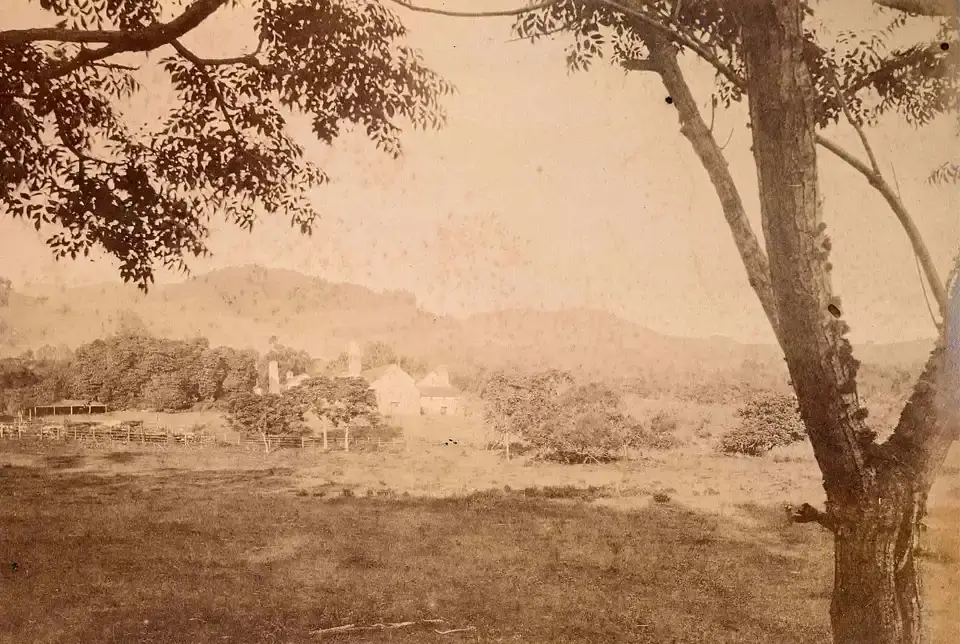
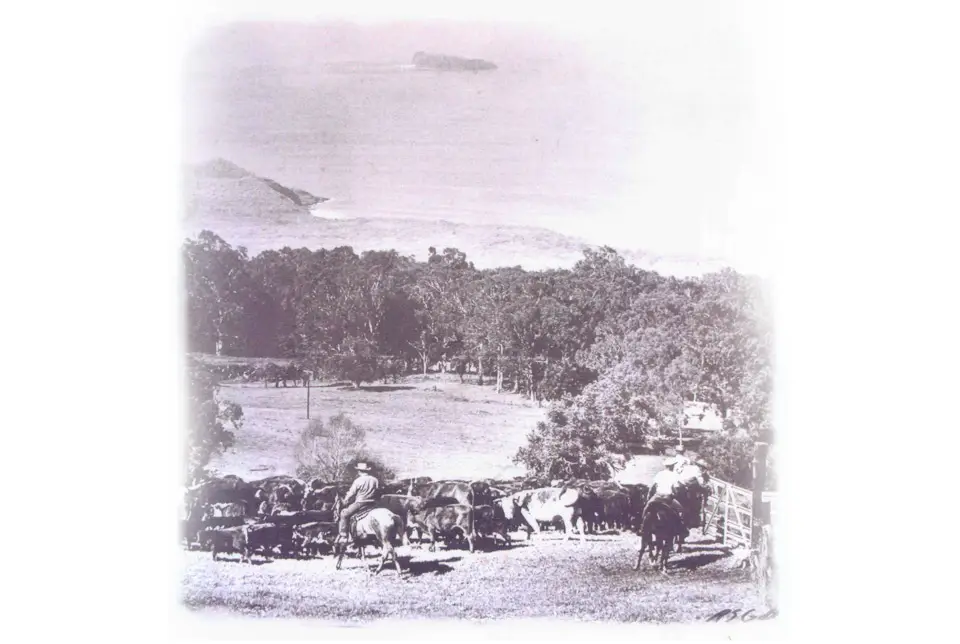
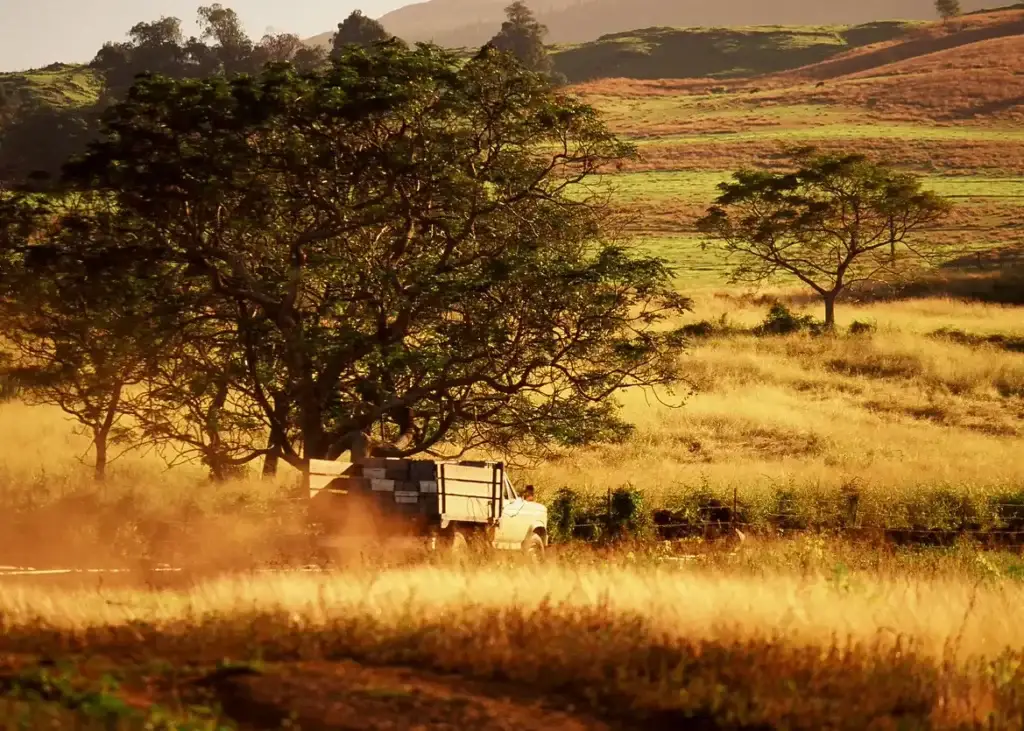
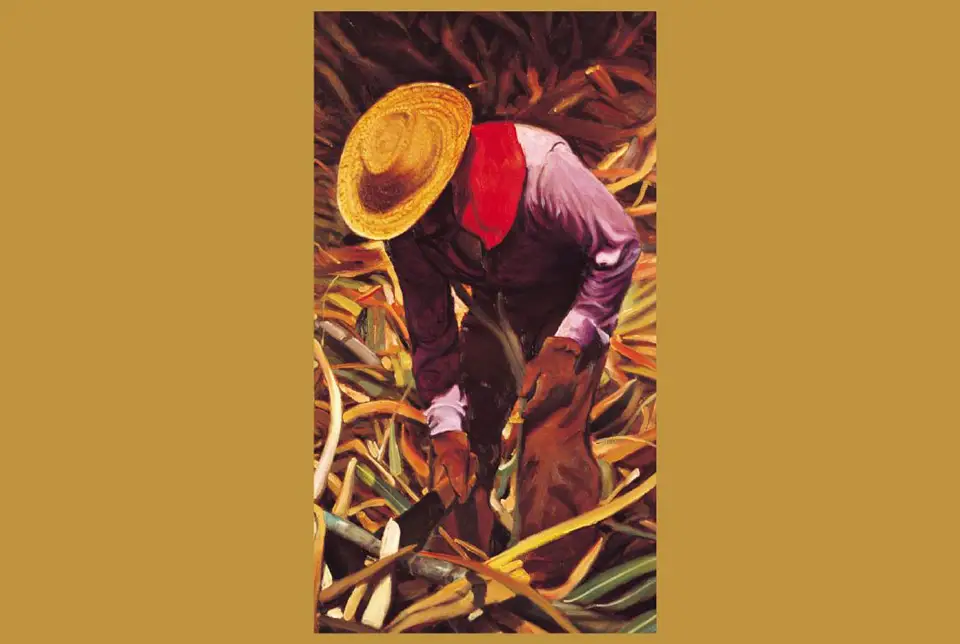
In 1841, King Kamehameha III leased a sugar mill and 2,087 acres of what is now part of MauiWine to L.L. Torbert for $800 a year in a 6-year contract. His spread of land called Torbertsville, offered “fat beef,” hogs, sheep, sugar and syrup, lard, turkeys, firewood, lime, and “The Best Quality of IRISH POTATOES in any quantity at the Lowest Prices, on the Shortest Notice.”
Though a rancher by trade, Torbert was a seaman at heart. He longed for a schooner, the ticket to wealth. Finally he bought one, loaded it with potatoes, and sailed for the hungry markets of the California Gold Rush. The boat leaked, and he lost everything.
1843
Captain Makee Attacked
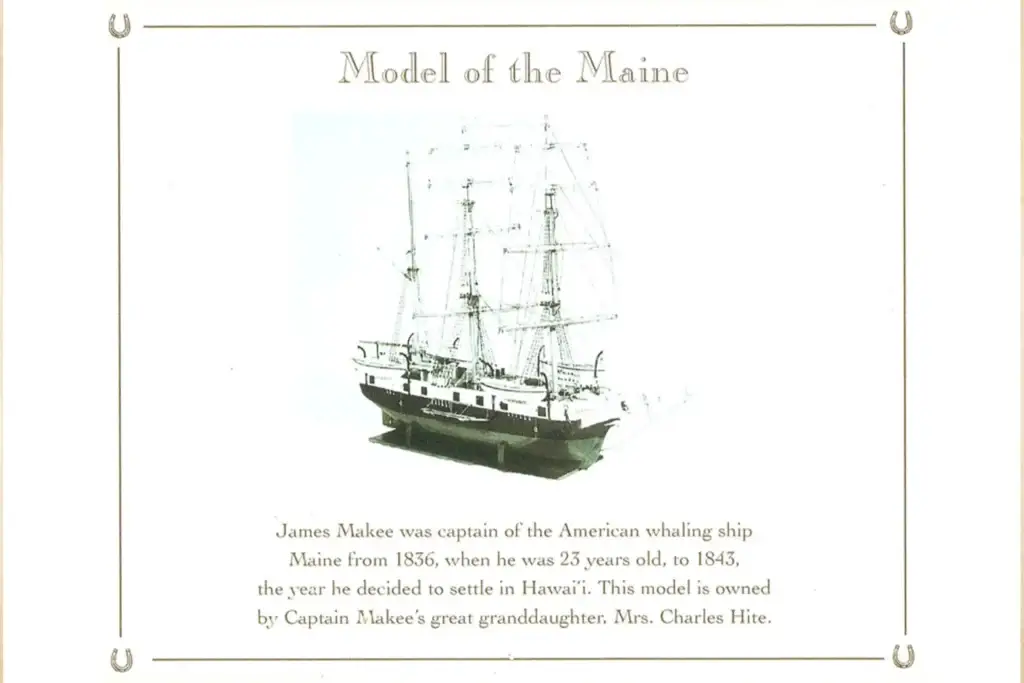
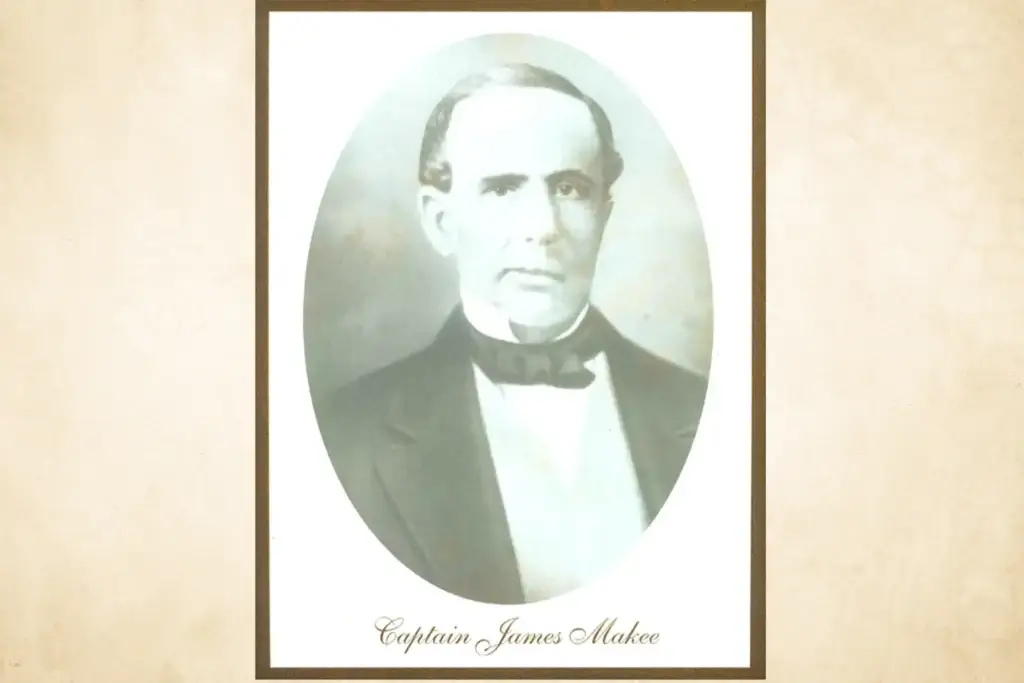
On April 25, 1843, Captain James Makee set sail from Lāhainā, Maui, on the American sperm whale ship Maine. That evening, a steward of the ship, upset having been denied shore leave, entered the captain’s cabin with the intention of killing him. The steward hit the captain twice on left side of the head with a hatchet before escaping into a waist boat. The steward was never seen again.
The ship docked at Honolulu the next day to tend to Makee’s wounds. After healing, Makee decided to retire as a whaling captain, and he thus settled into life in Honolulu. His wife and eight children joined him later from Boston (a 122-day trip).
1856
Makee Buys Torbertsville
The Torbertsville plantation was sold on January 23, 1856 to James Makee, who was described as walking with a slight limp and carrying his badly scarred head a little to one side. The sale of the plantation included the land, mill, 475 sheep, 350 goats, 26 oxen, four horses, and 10 mules. The price of the plantation was not disclosed to the public other than stating that it was “an unprecedentedly low price.”
1857
Building Rose Ranch
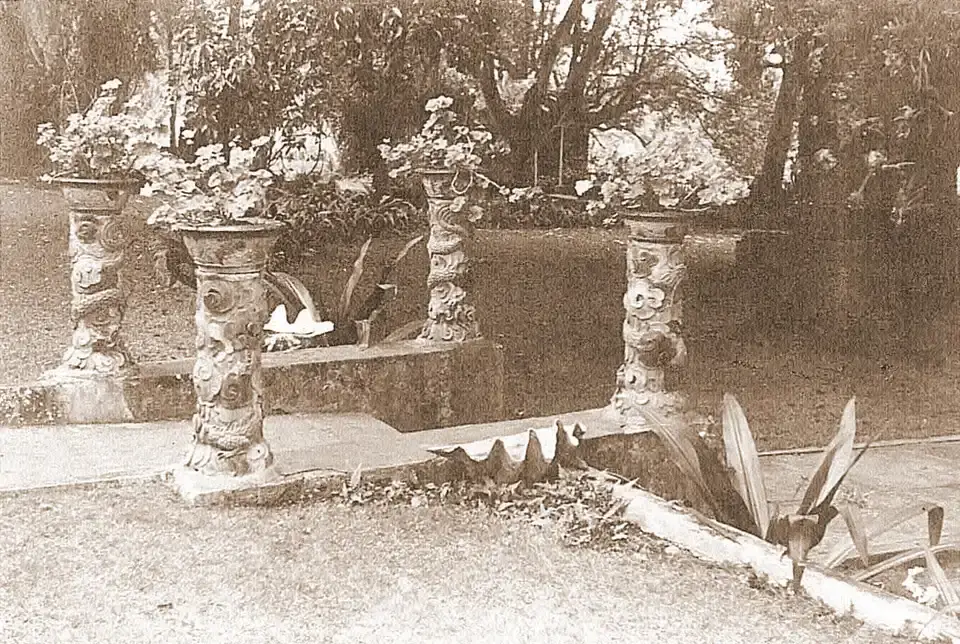
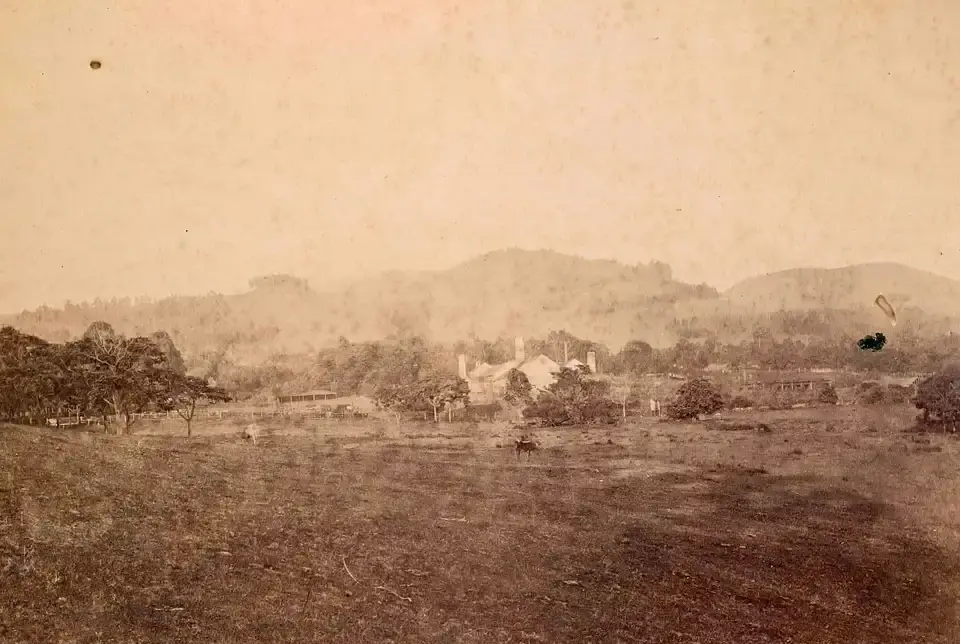
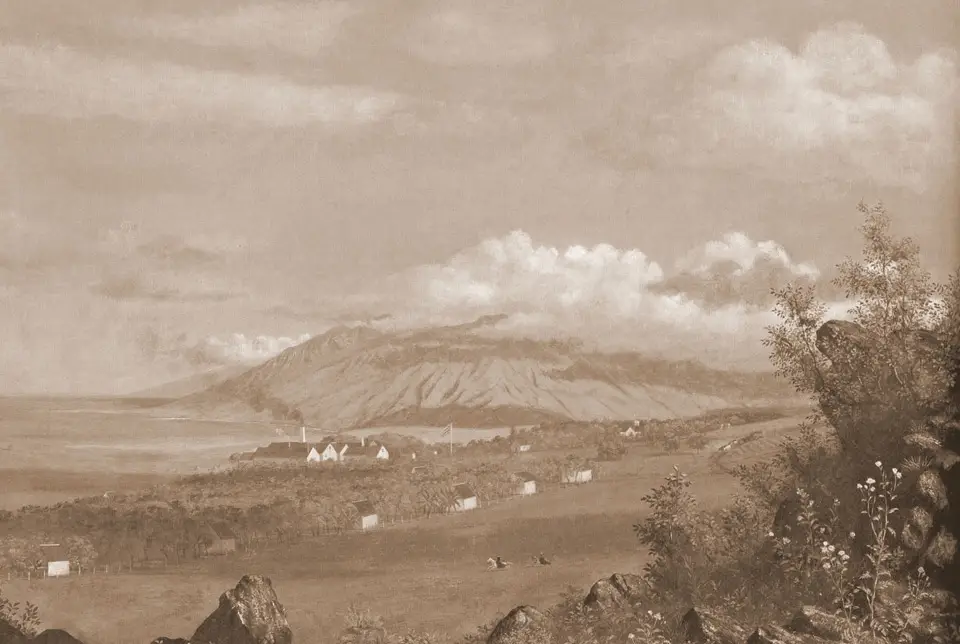
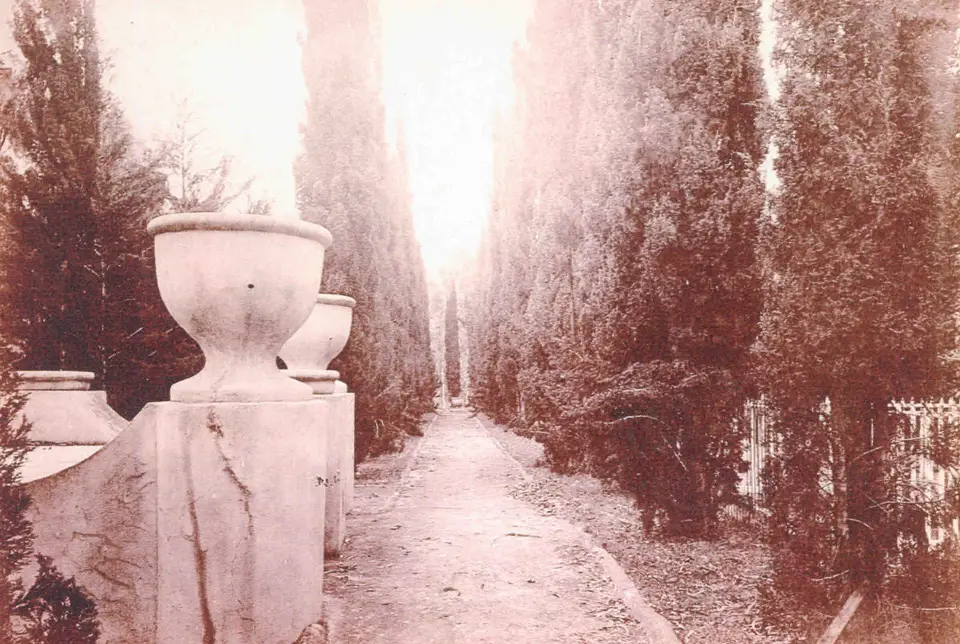
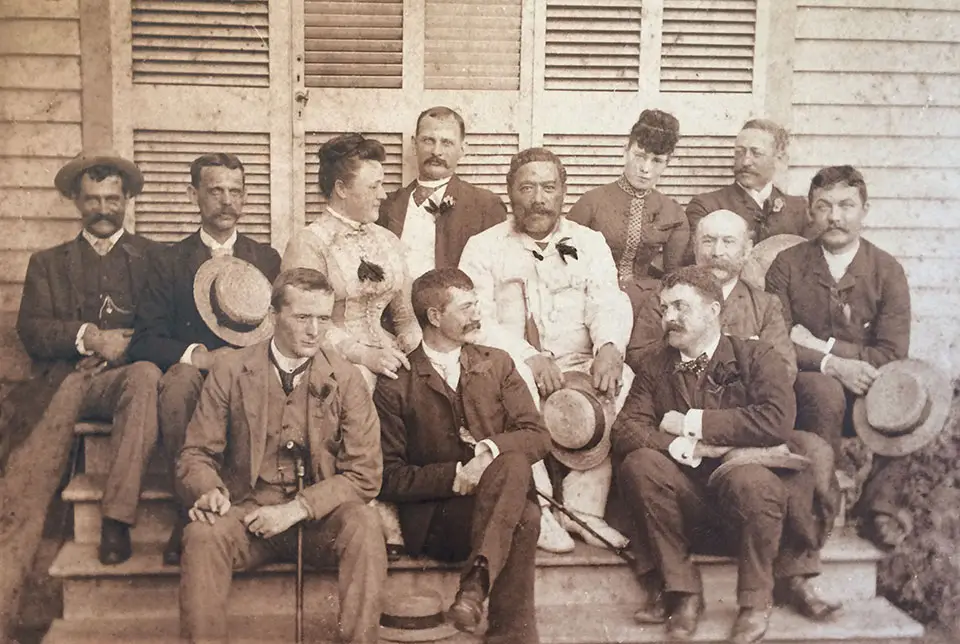
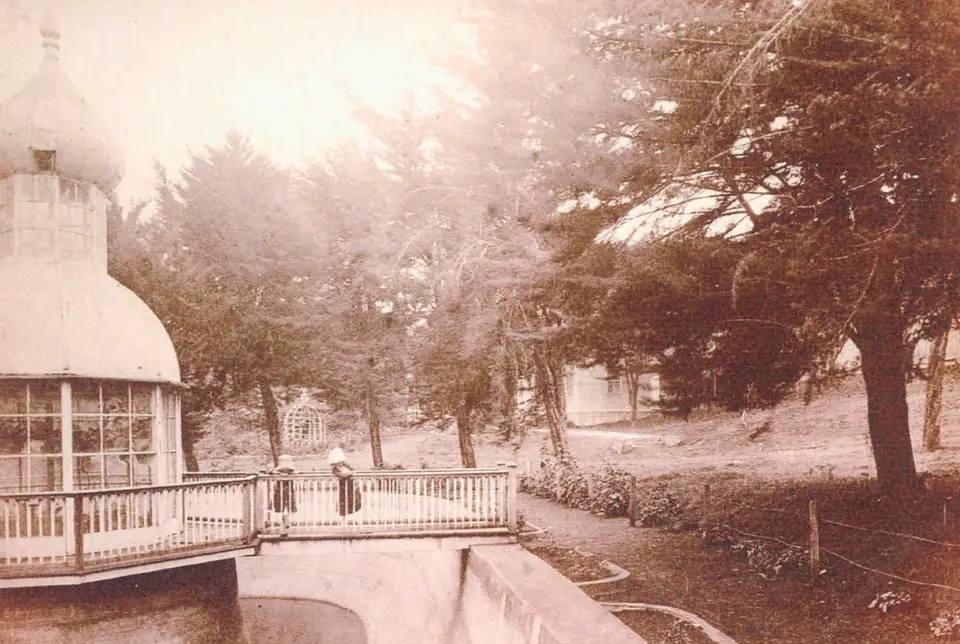
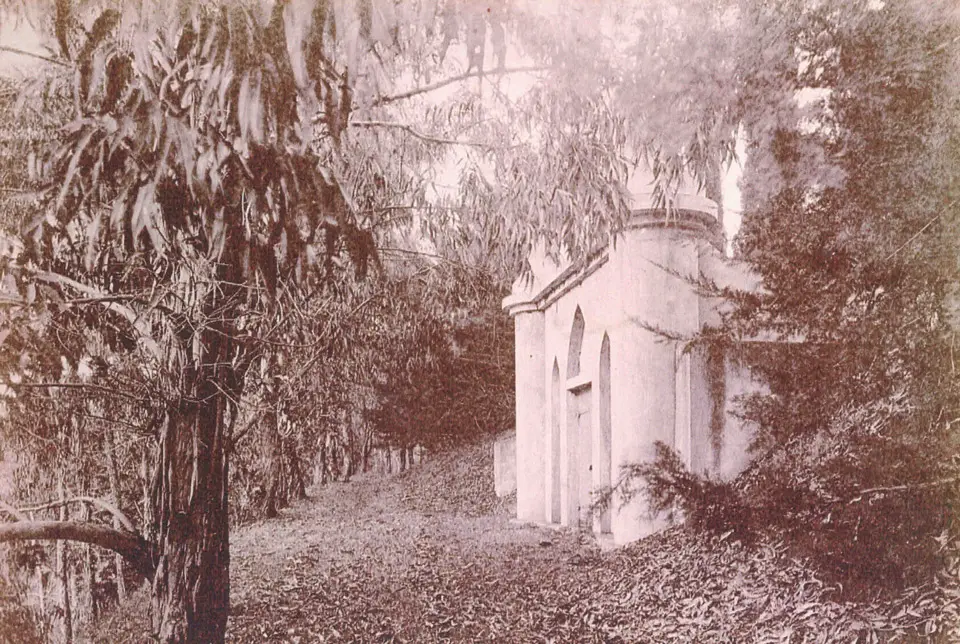
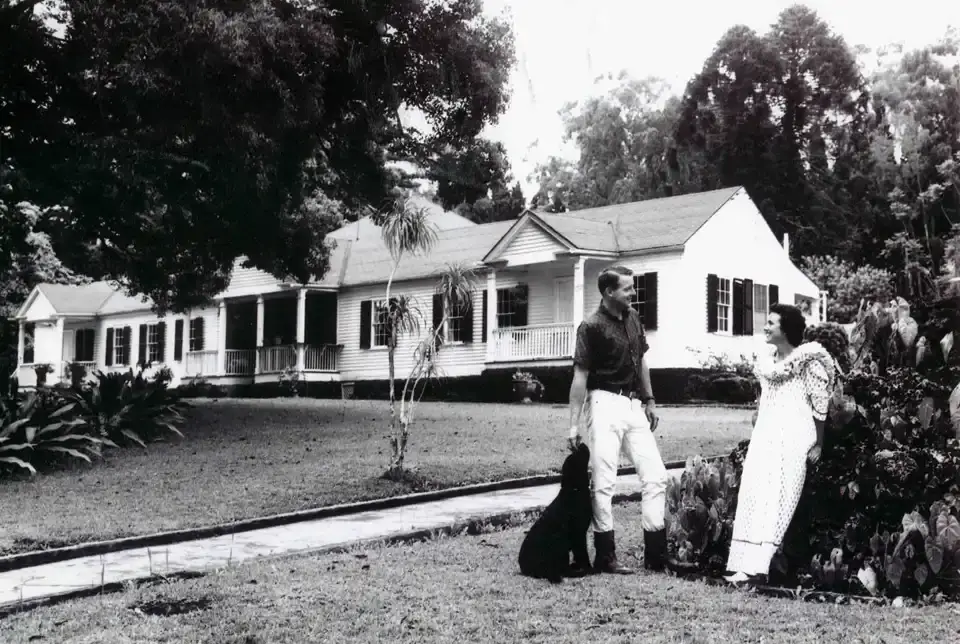
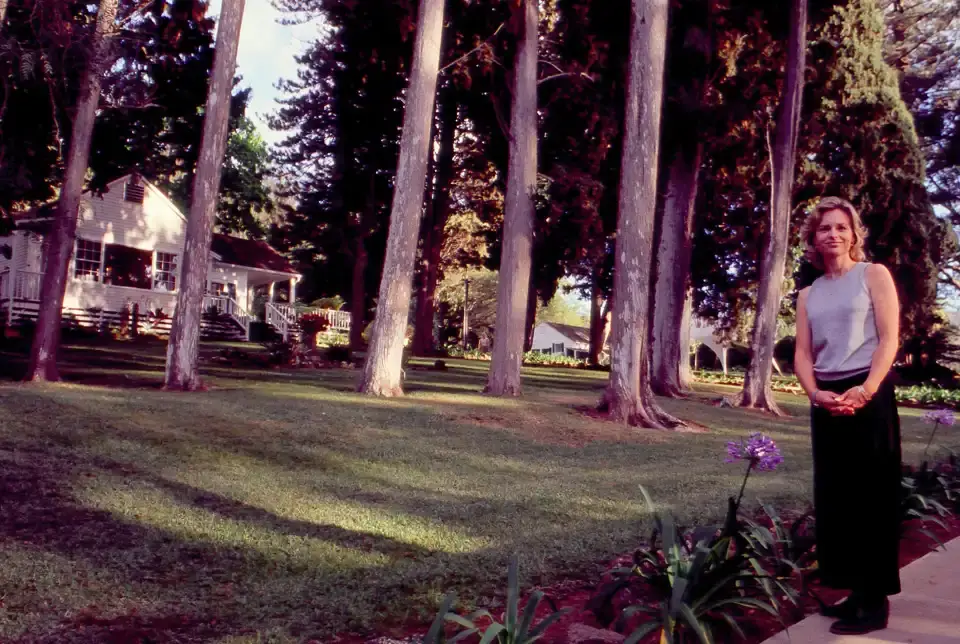
Makee began building the estate at Rose Ranch including the impressive stone buildings for his office and dairy. He even built a mausoleum below the sugar mill. At the beginning of his occupancy of Rose Ranch, which he named after his wife Catherine’s favorite flower, Makee’s main interest was actually cattle rather than sugar. The plantation and ranch would become known as “the most extensive estate on the islands” with magnificent gardens and exotic trees and plants.
1861
Sugar Mill Runs Again
The sugar mill started running again in 1861. That year the first sample bag of sugar was produced at the mill. Rose Ranch gained great publicity during the Civil War for donating 200 barrels of molasses to be sold for the benefit of relief work during the war. The amount of money raised from the molasses was $6,000, which is equivalent to $160,000 today.
1866
Legacy of Hospitality
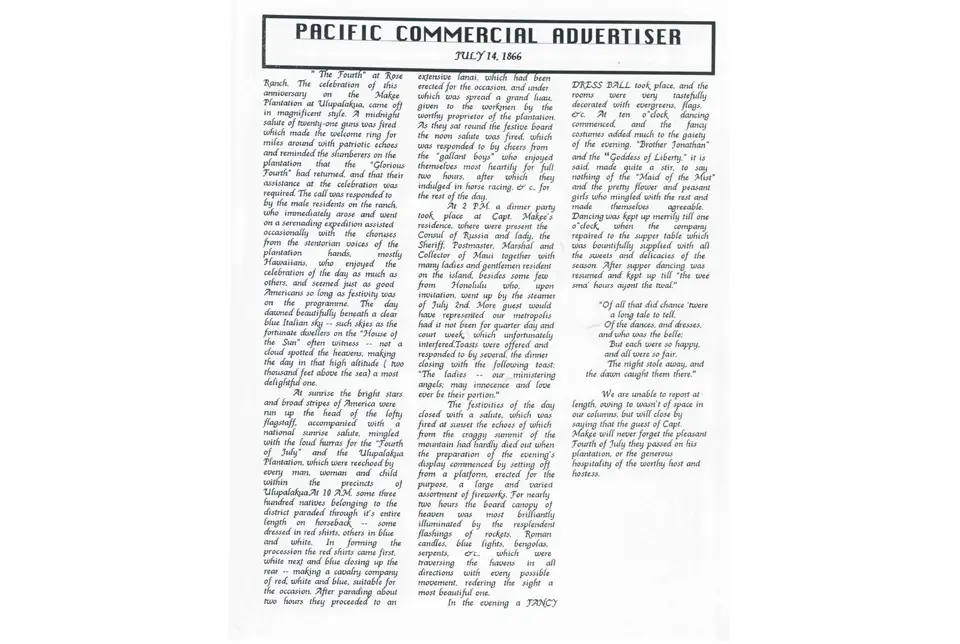
On July 4, 1866, Ulupalakua witnessed a parade unequaled by any other celebration on the island of Maui. Thus began the legacy of Rose Ranch’s hospitality and the extravagant celebrations that would follow. Mākena Bay became a popular anchorage for warships, no doubt attracted by the stories of sumptuous dinners and lavish entertainment in Ulupalakua.
In fact, it was not uncommon during celebrations at Rose Ranch to have peacock as the main course. The Makees hosted luxurious parties with dancing, singing, horse racing, parades, and other festivities. The Makee daughters were also well known for their hospitality and parties with dancing that lasted into the early hours of the morning.
1869
Tons of Sugar
In its heyday of production, the sugar mill at Rose Ranch made about 800 tons of sugar a year from 1,000 acres of sugar cane. For 10 years, the mill produced 800+ tons of sugar annually. In 1864, the mill reached $100,000 in sugar sales, which would equal about $2.7 million today.
Makee had rebuilt the sugar mill with the highest quality materials using the most advanced technology at the time, and visitors would come from around the world to view this operation. “In this respect, the mill is a model, and every plantation designing to put up a sugar mill should, before fixing on his plans, give this one careful inspection.” H.M. Whitney after visiting.
1871
Devastating Hurricane
On August 9, 1871 a devastating hurricane hit the island of Maui.
Makee described the storm in the Hawaiian Gazette, saying: “At a quarter past ten this morning, I went into the office to write letters. Five minutes after, it was blowing one of the most fearful hurricanes I ever experienced. The door of the office burst in, and it took all the strength of Mr. S. and myself to close and nail it up. Just as we had secured the door we saw the flag-staff fall. The gale continued in all its fury until two o’clock, when it subsided”.
The mill and engine house, the bowling alley, and three houses had been blown away.
1874
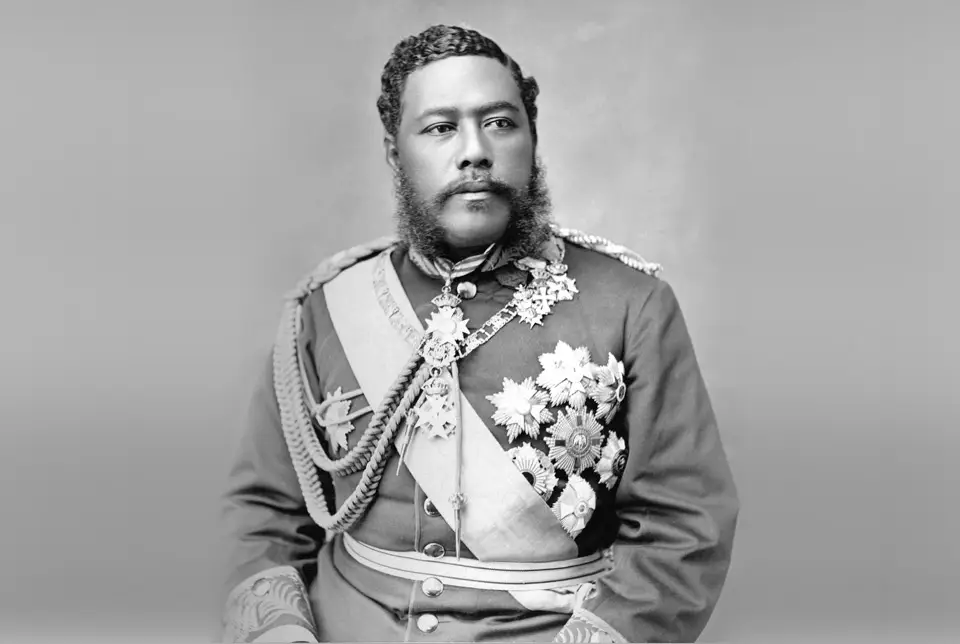
King Kalākaua
King Kalākaua and his wife, Queen Kapi’olani, first visited Rose Ranch shortly after his election to the throne in 1874. One hundred and fifty horsemen carrying torches greeted the royal party at Mākena Harbor and escorted them along the five-mile climb to Rose Ranch.
The king and queen enjoyed three days full of singing, dancing, drinking, and gambling along with lavish feasts and games. It was said that the “entertainment was on a princely scale of hospitality.”
1874 cont.
The Poker Club
As the story goes, a poker game was in session in which the king had played his last chip. The card table was on the open porch, which offered a great view of the ocean below and the moonlit outline of the island of Molokini. King Kalākaua called for another hand. “I will bet Molokini,” he said. He lost to Makee, who commented on his acquisition of the island. “What do you mean?” exclaimed the king. “I didn’t bet the island,” the king said. Unable to believe his ears, Makee asked, “Then what did your majesty bet?” The king retorted, “You don’t listen. I bet ‘ōmole kini (a bottle of gin).”
1878
Severe Drought
In 1878, a severe eight-month drought dried out the newly planted fields, and from then on the sugar cane acreage declined steadily year by year until March 1883, when the last crop was ground in the mill.
1879
Makee Dies
On September 16, 1879, Captain James Makee died at the age of 67. His body was covered in Kentucky whiskey and placed in a lead coffin. The coffin was laid to rest in the mausoleum below the sugar mill that he had built when he first moved to Rose Ranch. His body remained there until vandals broke into the mausoleum and were said to have taken Makee’s arm and his wife Catherine’s jewelry.
1883
No More Sugar
The last sugar crop was ground in the old mill in March 1883. Cattle were then allowed to graze on the fields of standing sugar cane, and Ulupalakua then became solely a cattle ranch.
1886
Rose Ranch Sold
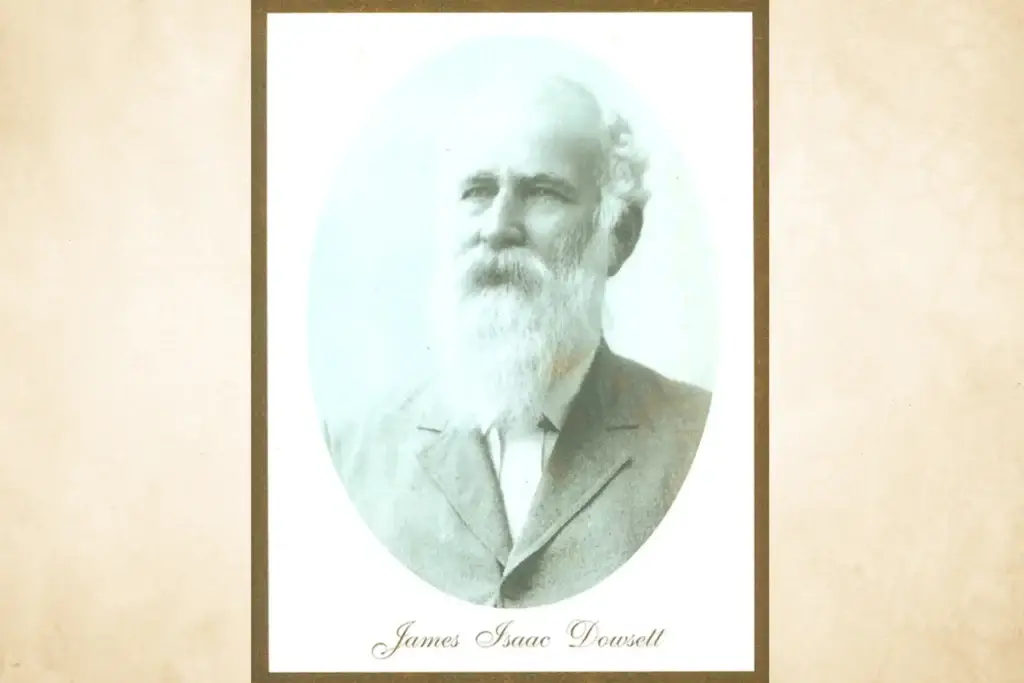
In 1886, the beloved Rose Ranch was sold to James Isaac Dowsett for $84,500. The son of a British sea captain who had turned to trading, Dowsett was said to be the first Anglo-Saxon child not of missionary parentage to be born in Hawaii.
He was the childhood playmate of several future Hawaiian kings. Raising cattle was Dowsett’s main business – he was first to bring Aberdeen Angus stock to Hawaii. At the end of his ownership, the ranch comprised 45,000 acres and 5,000 head of mostly purebred cattle. His daughter Phoebe was married for a time to Makee’s son Charles.
1900
Rose Ranch Renamed
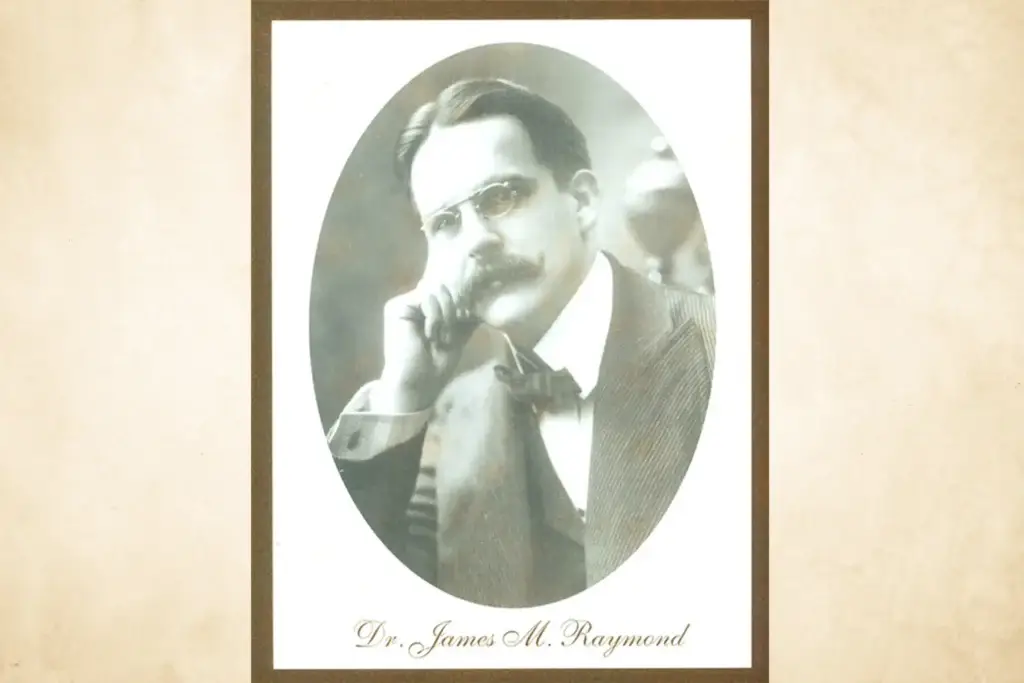
Dr. James M. Raymond purchased the ranch and renamed it Raymond Ranch in 1900. Dr. Raymond started out as a bellboy in a large hotel in Saratoga, New York. An ambitious young man, he worked his way through medical school, graduating three months before the rest of his class.
Later he visited Hawaii, fell in love with the islands, and established his own practice in Honolulu. In 1898, he married Phoebe Dowsett Makee and purchased Rose Ranch. He built a slaughterhouse, operated for a time near the shore at Makena. Raymond raised thoroughbred Hereford cattle, and owned some of the fastest racehorses in the entire territory of Hawaii.
1908
Paniolo Wins World Roping Competition
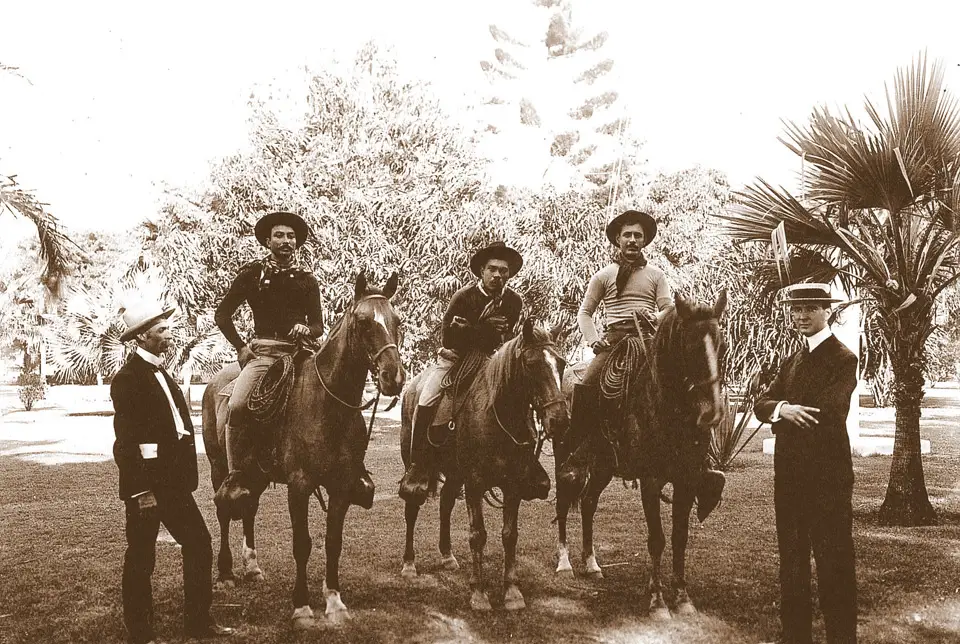
The early paniolo of Ulupalakua were trained by Angus MacPhee, five-time world champion roper and broncobuster with Buffalo Bill’s Wild West Show. In 1908, three Hawaiian paniolo traveled to Cheyenne, Wyoming to compete in the Frontier Days world roping competition.
Jack Low took sixth place. Archie Ka’aua won third. Then Ikua Purdy dropped and tied two steers in 56 seconds – setting a record, winning the world title, and stunning 30,000 screaming spectators.
The famous Ikua Purdy had 17 children and mentored an entire generation of paniolo. In 1999 Purdy was inducted into the National Rodeo Hall of Fame, the first Hawaiian cowboy to be given that honor.
1922
Baldwin & The Polo Era
Frank Fowler Baldwin purchased what became known as Ulupalakua Ranch in 1922. Frank Baldwin was a leading member of the most prominent family in the modern history of Maui. Grandson of Dwight Baldwin, the Lāhainā missionary, and son of H.P. Baldwin, the pioneer sugar grower, Frank was president of the Hawaiian Commercial & Sugar Company (HC&S).
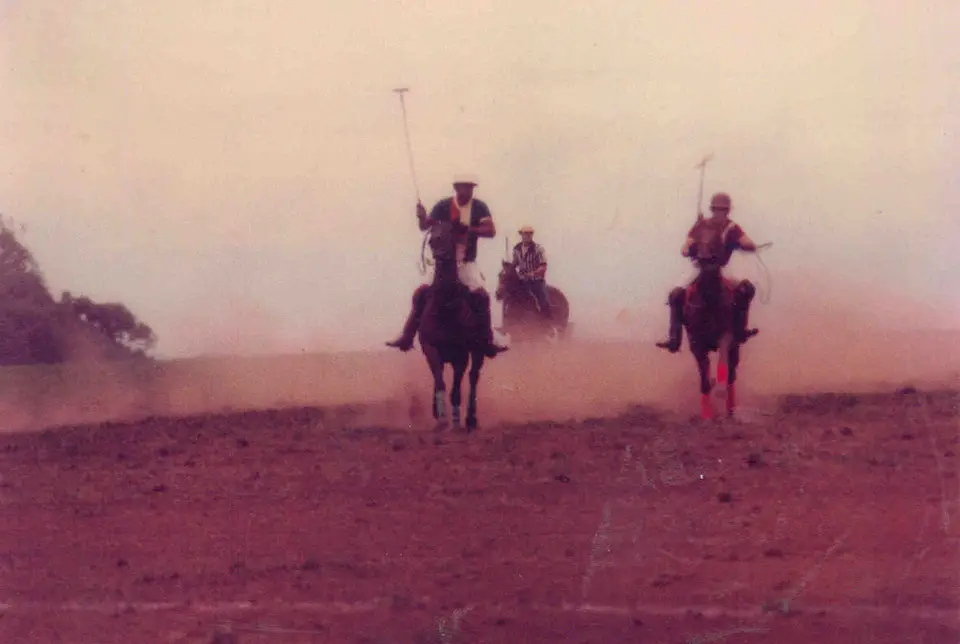
This was the heyday of polo sport. F.F. Baldwin captained many championship polo teams, and his three sons, Edward H.K., Asa, and Lawrence Alexander Baldwin, earned a reputation for being the best polo players in the state, if not the country. Edward Baldwin managed the ranch from the mid-1920s until his death in 1956.
1963
Ulupalakua Ranch
When C. Pardee Erdman purchased Ulupalakua Ranch in 1963, the operation consisted of 58,000 acres and 6,000 head of cattle worked by 30 ranch hands living on the ranch with their families. Erdman has maintained the paniolo tradition here during the rapidly changing times.
A former petroleum geologist with roots in Hawaii, Southern California, and Wyoming, Erdman has experimented over the years with new ways to utilize the ranch – raising sheep and elk and partnering with vintner Emil Tedeschi to establish Maui’s first working winery. He and his son Sumner Erdman are committed to managing this land using environmentally sound practices that will preserve its scenic beauty and ecological vigor.
1974
Winery Established
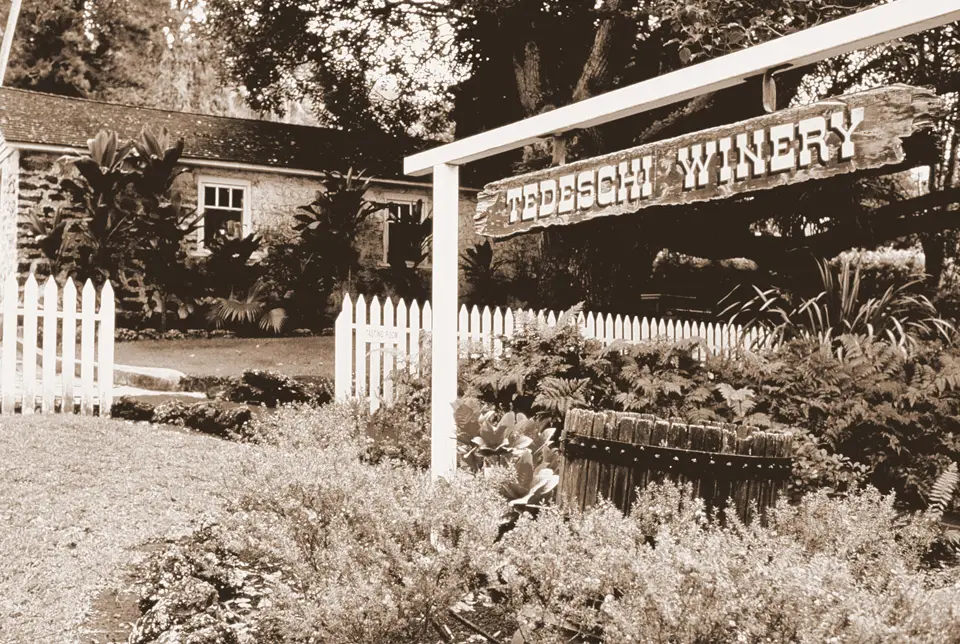
The winery was established as a Hawaii Corporation in August 1974. The company was started by C. Pardee Erdman of Ulupalakua Ranch. Remaining true to the land’s heritage, many of the historic Makee estate buildings are used in the winery. The old dairy constructed of thick lava rock is now used as the winery’s lab and bottling room, and what once served as a jail is now a private tasting room, the stone facade weathered with time but giving glimpses into the past.
1975
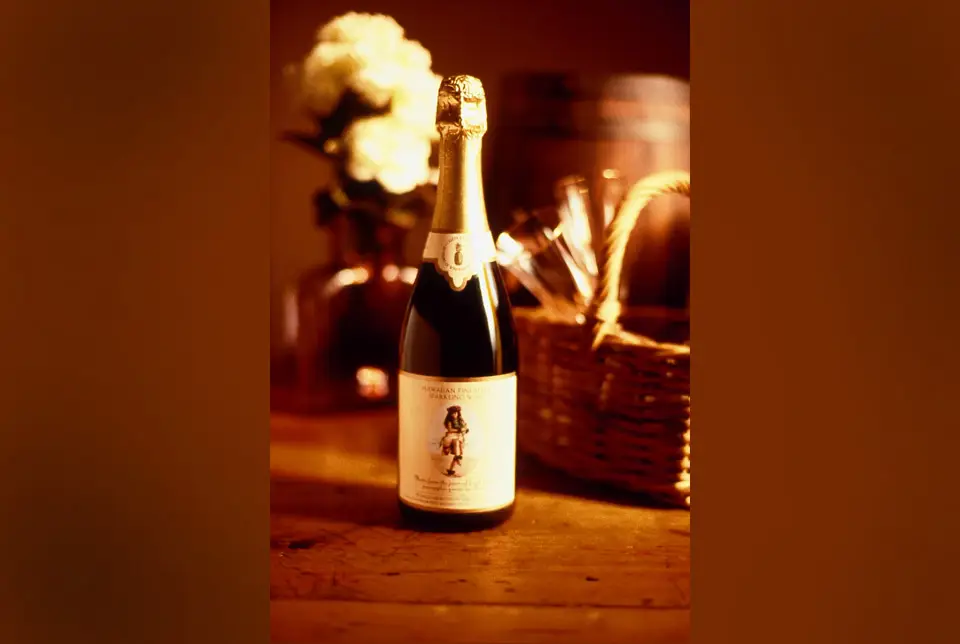
Pineapple Wine
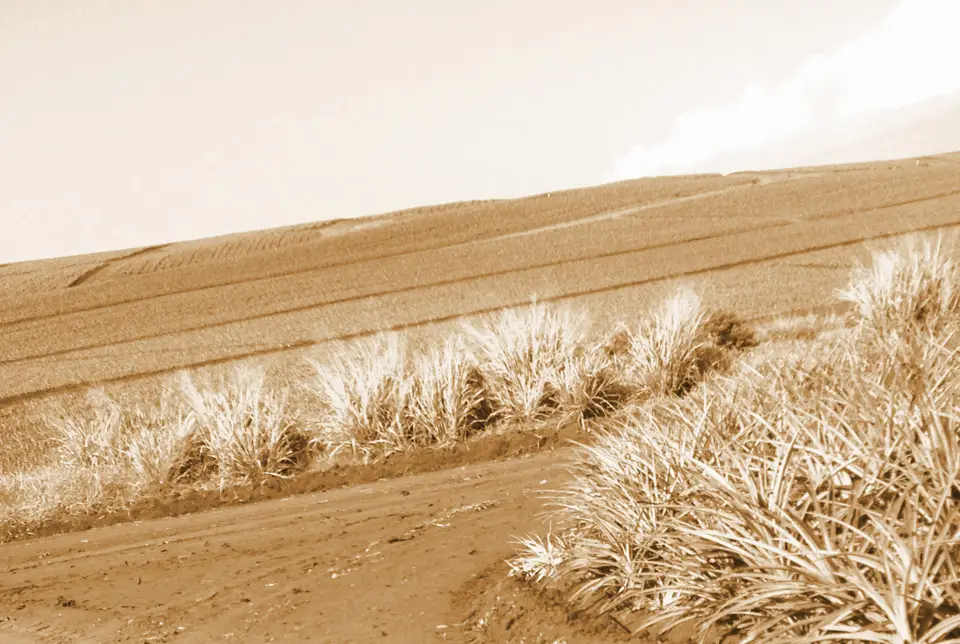
While the 23-acre vineyard was maturing, an experimental sparkling pineapple wine was developed from the famed and plentiful pineapples grown in Upcountry. This project was actually not intended for sale.
Rather it was used to practice and set up for the sparkling production once the vineyard reached maturity. This now famously unique wine does a beautiful job representing Maui’s agriculture and our island’s celebratory lifestyle.
1975
Vineyard Planted
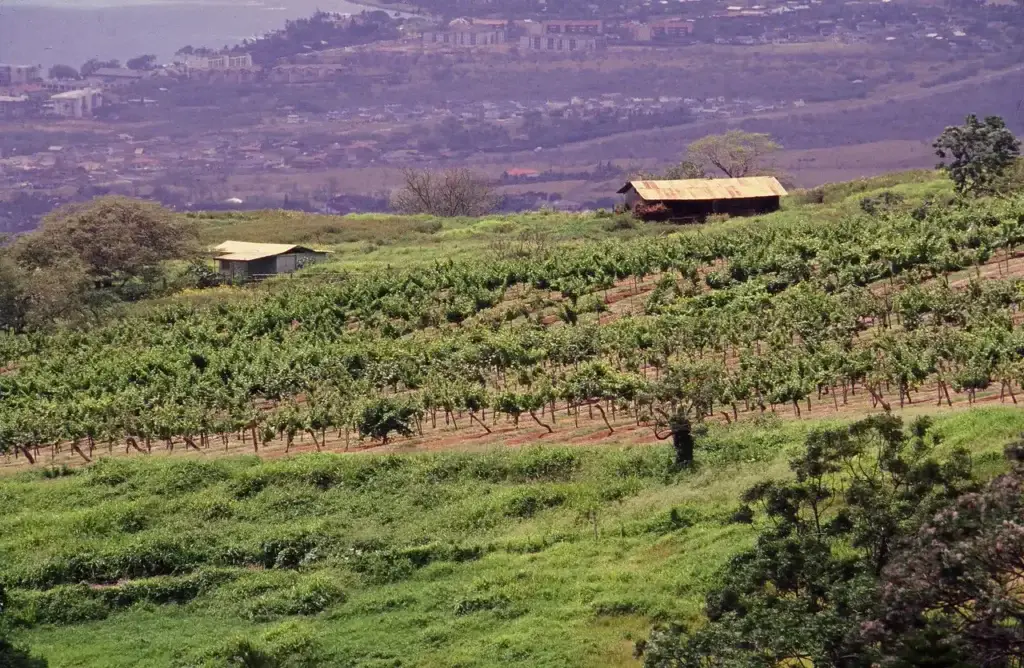
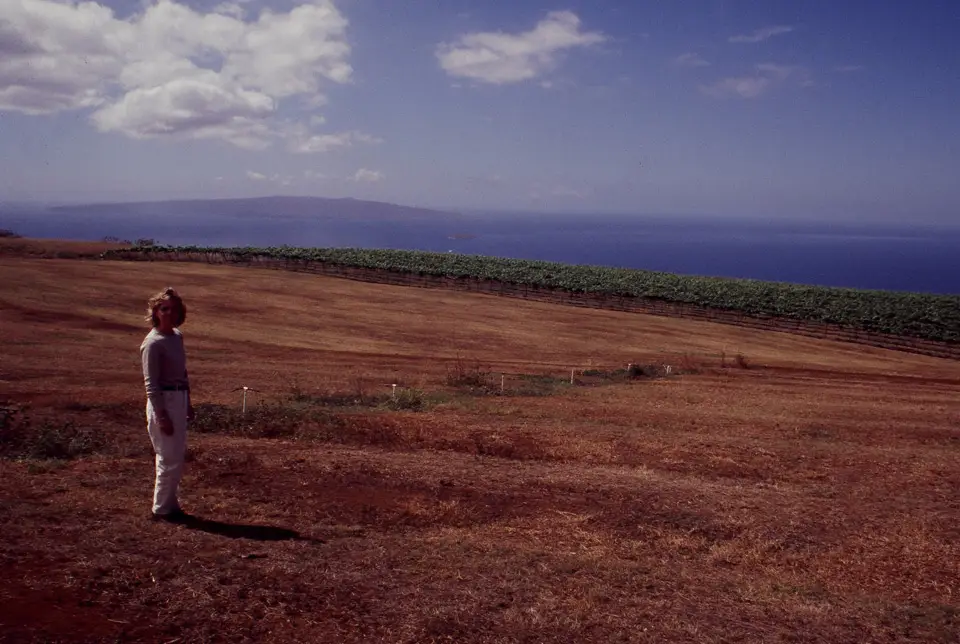
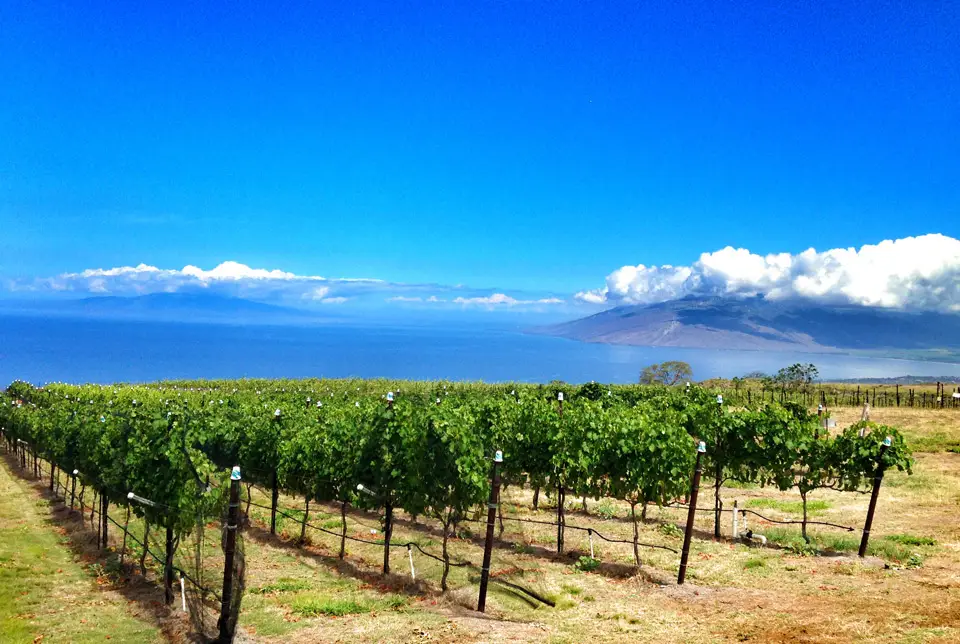
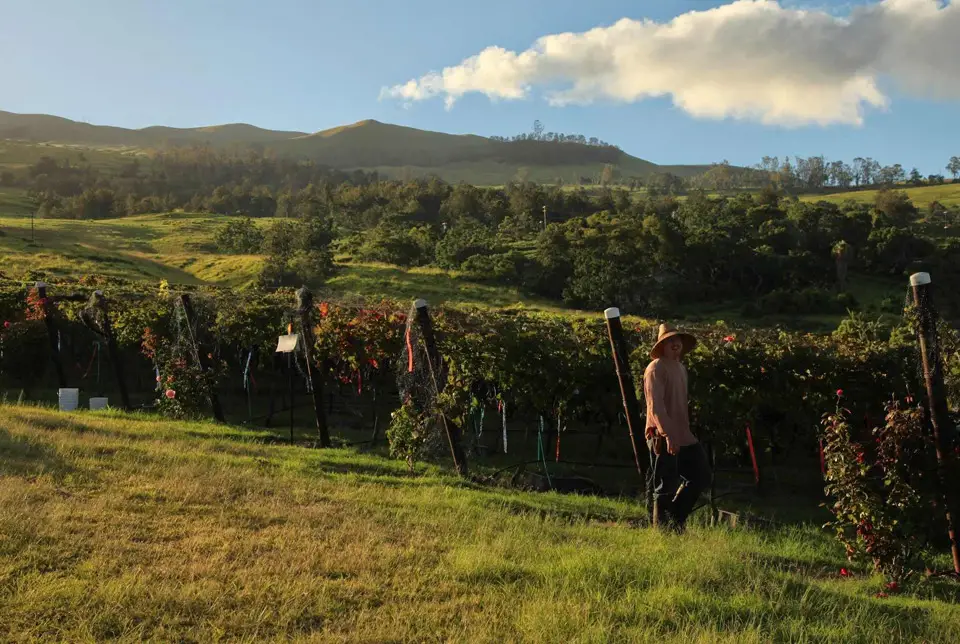
After experimenting with several different varietals in many areas on Ulupalakua Ranch, they eventually found the right location and planted 23 acres of Carnelian grapes. Carnelian was a hybrid grape developed at UC Davis by Dr. Olmo and was the sole choice after trialing over 140 varietals.
With great precision and consideration as to elevation, terrain, and even the exact location on the slope, they planted vines in an area of Ulupalakua that turned out to be ideally suited for growing grapes.
1977
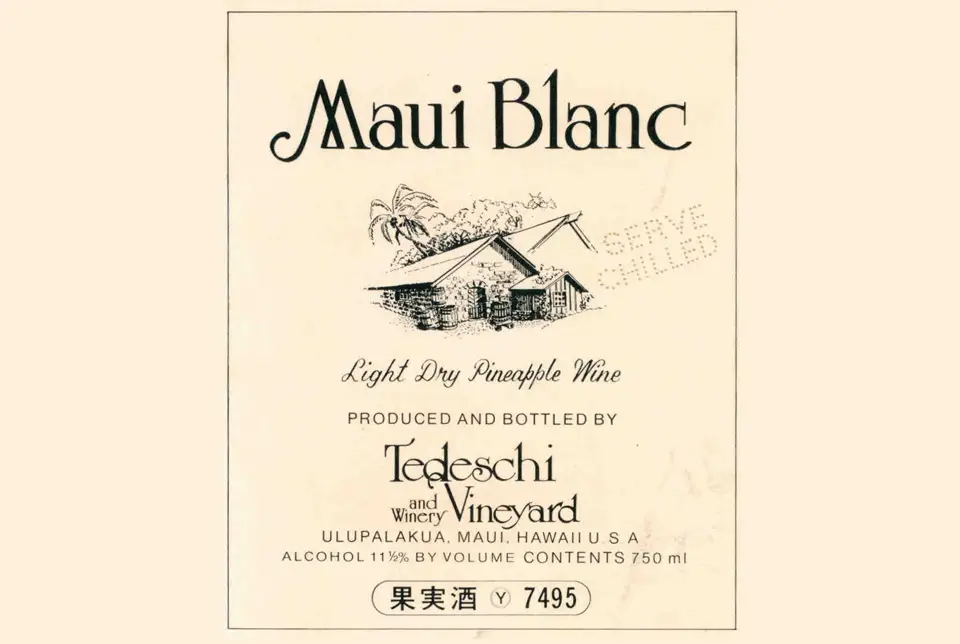
Maui Blanc
Our first pineapple wine – Maui Blanc – debuted in 1977, and the public response was so positive that our winemakers continued to explore the vision of producing wine from this beloved Maui fruit. Dimitri Tchelistcheff, a world-class winemaker and renowned international consultant in the fields of enology and viticulture, was brought in to fine tune the pineapple wine program. Maui Blanc remains our bestselling wine to this day.
1981
First Harvest
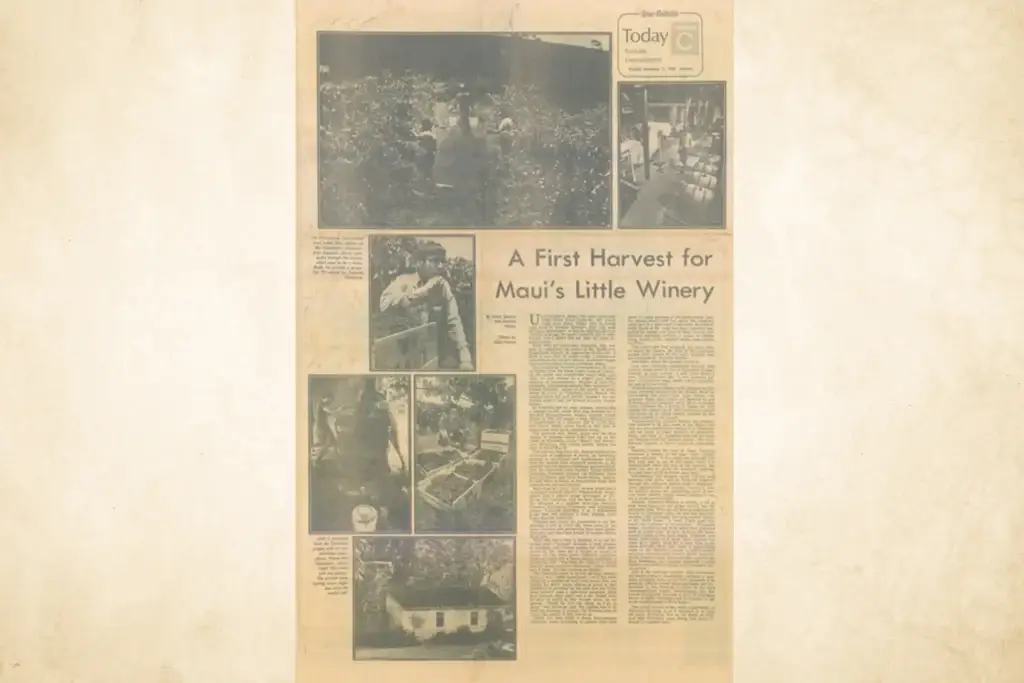
A huge storm hit Maui in 1980, wiping out what was supposed to be the first harvest. Subsequently, the first harvest of Carnelian grapes came in 1981. In early September 1981, 22 tons of Carnelian were picked. Tchelistcheff had advised the partners to bypass their original goal of a red wine and instead to produce a sparkling wine.
The entire harvest was used for the Maui Brut Blanc de Noir Sparkling that was released in 1984. Grapes were weighed at the ranch cattle station, where they continued to be weighed for many years.
1981
Sparkling Wine
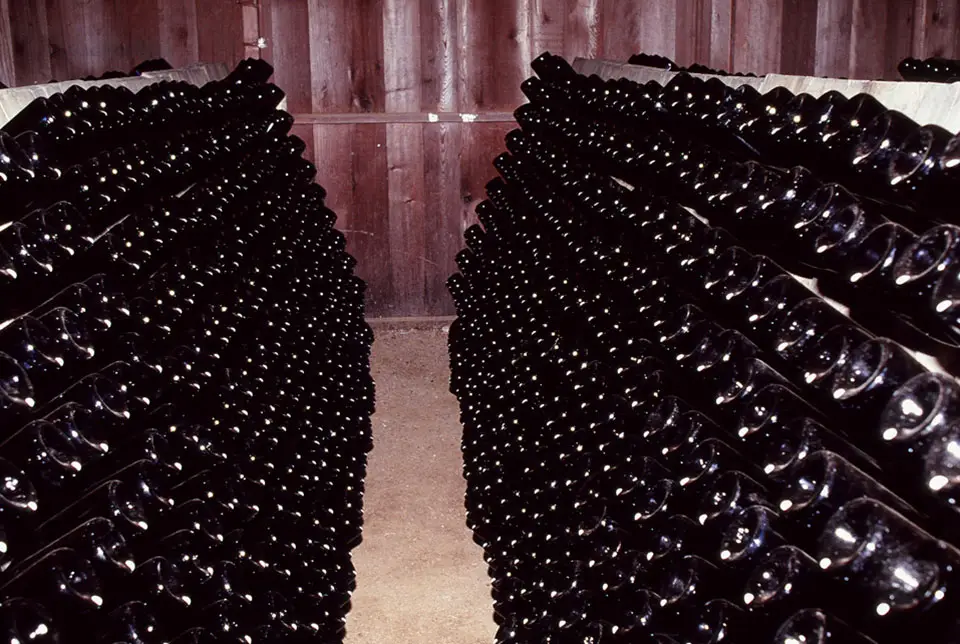
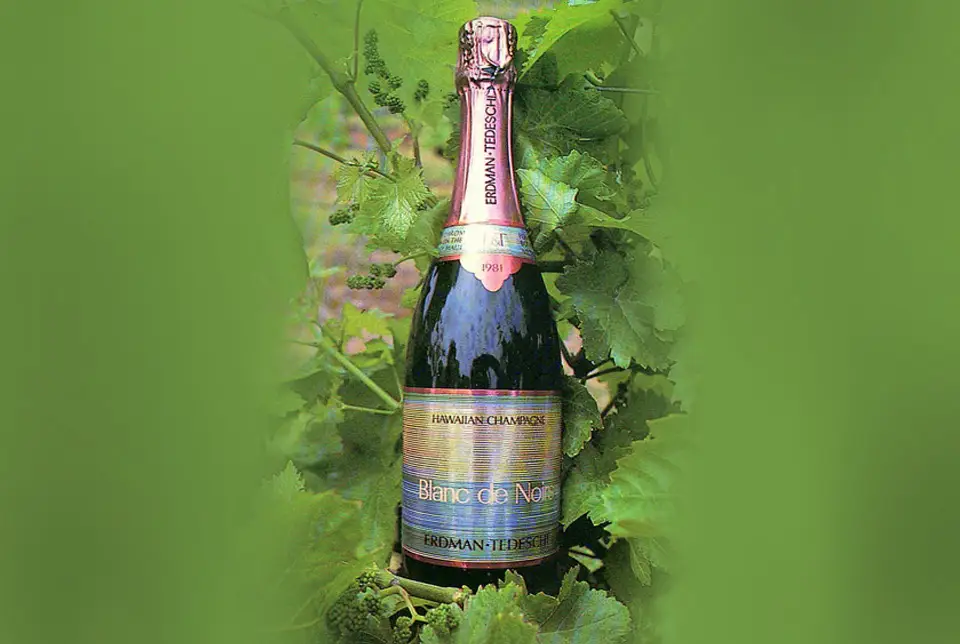
From 1981 to 1984, the harvested grape tonnage was solely used to produce Traditional Methode sparkling wine, Maui Brut Blanc de Noir. Years of labor and development went into producing this exclusive sparkling grape wine, made from grapes grown in one of the most unique vineyards of the world, here on Maui’s largest volcano.
1984
Christening of Haleakala
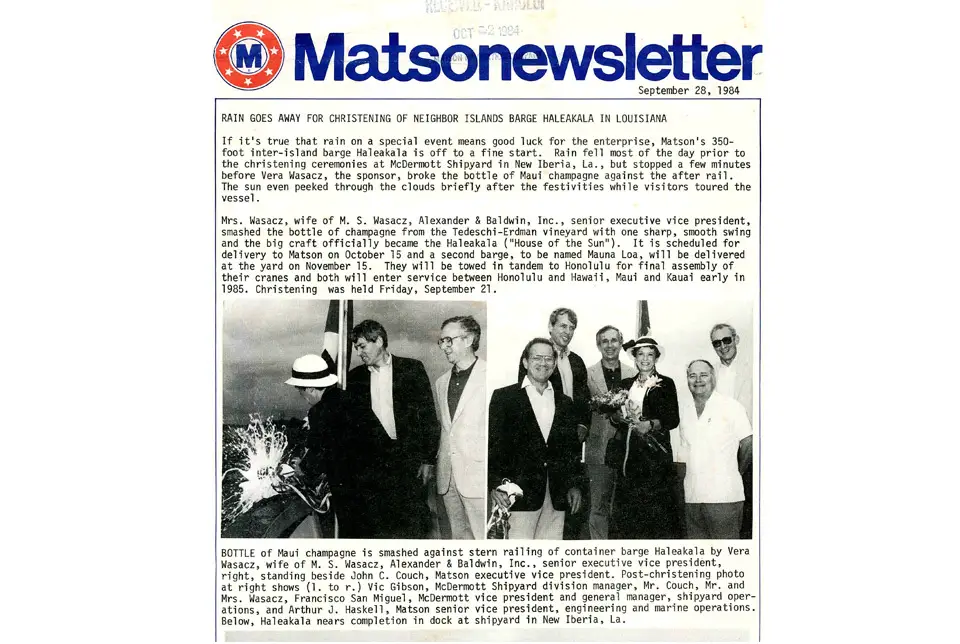
On Friday, September 21, 1984, the Neighbor Islands container barge Haleakala (“House of the Sun”) was christened in New Iberia, Louisiana. A bottle of Maui Brut Blanc de Noir was smashed against the stern railing of the barge by Mrs. Wasacz, wife of Alexander & Baldwin, Inc.’s senior executive vice president.
1984
Maui Brut Blanc de Noirs
Our first vineyard release occurred in 1984 with the Maui Brut Blanc de Noirs. This was Hawaii’s first estate sparkling wine. Nearly 2,000 cases were produced, which sold out rapidly.
1985
Reagan's Inauguration
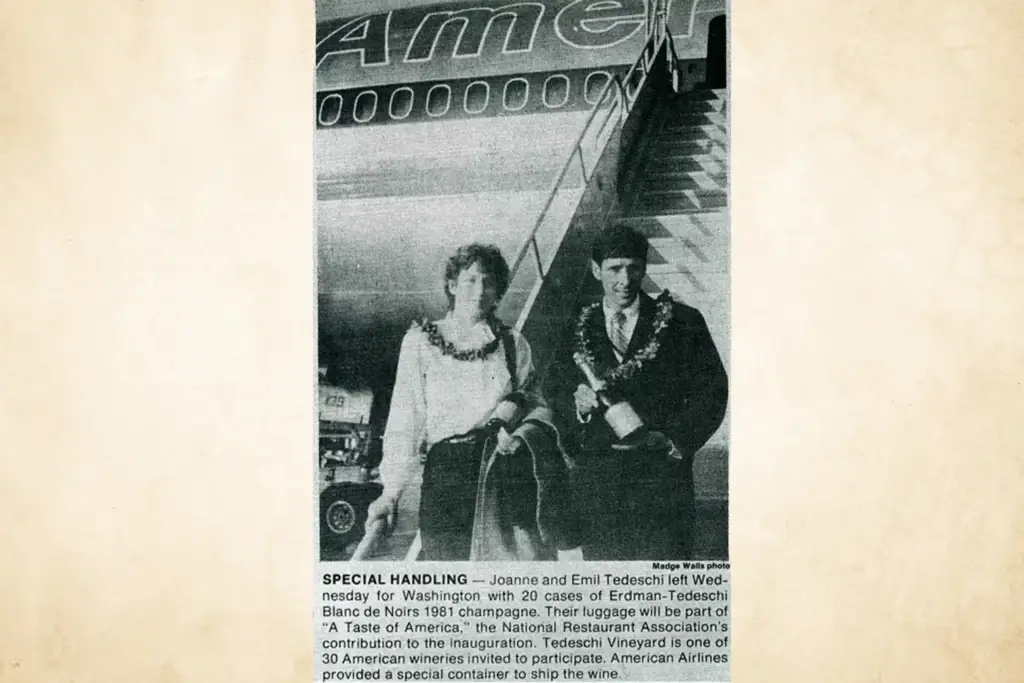
Maui Brut gained fame when it was served at President Ronald Reagan’s inauguration ceremony in 1985. This enormously unique and energetic wine represented the islands of Hawaii at the President’s celebration and exposed the world to our vineyard and winery in Maui.
1992
Maui Splash
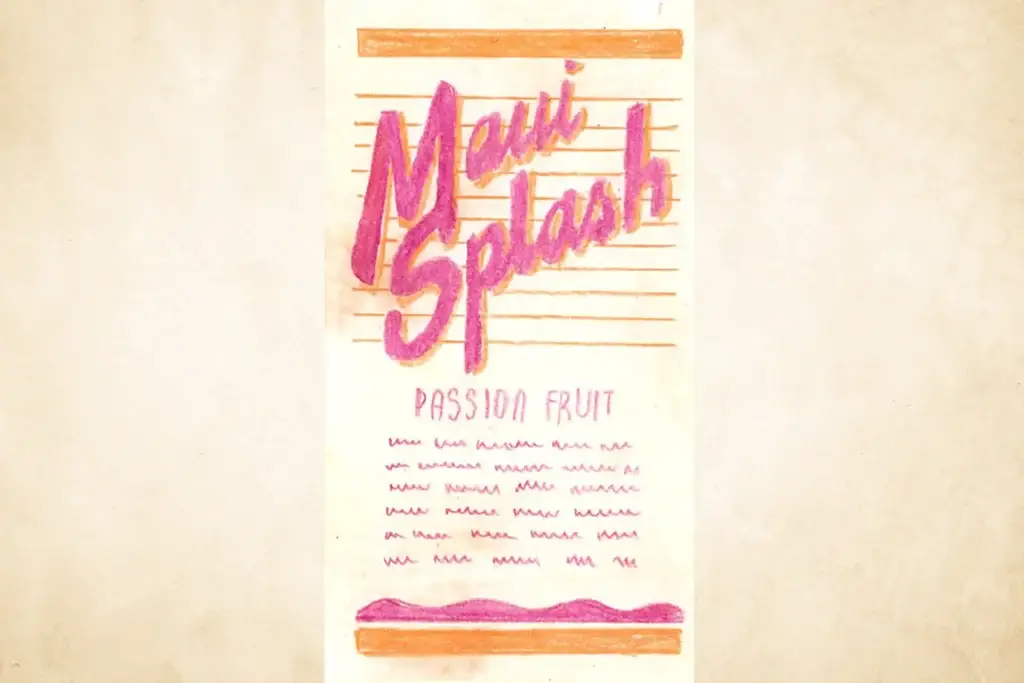
The fragrant and tropical Maui Splash was released in 1992. Originally, only a few gallons of Splash were being made each month for a single restaurant. The wine was intentionally left sweeter in style and then was being used like more of a wine cooler.
As we produced more, we began serving it in the tasting room. Similar to the bars that were pouring it, we also mixed it with a sparkling water or soda, creating our own wine cooler. As popularity grew, we went through a few label designs and adjusted the wine to be served on its own. We strived to make it really Maui-ish – fun, vibrant, and easy to drink.
1994
20th Anniversary
The Hula o Maui, a pineapple sparkling wine produced using the Traditional Methode, was released in 1994. Having been just an experiment in the first years of the winery’s inception, it was considered a crazy thought to produce a pineapple sparkling wine, much less to do so using the Traditional Methode Champenoise.
As a sort of bet and challenge between Erdman and winery president Paula Hegele, 100 cases were made for the 20th anniversary celebration of the winery. The wine sold out within the month. We have been trying to keep up with the demand for this enthusiastic sparkling wine ever since.
1995
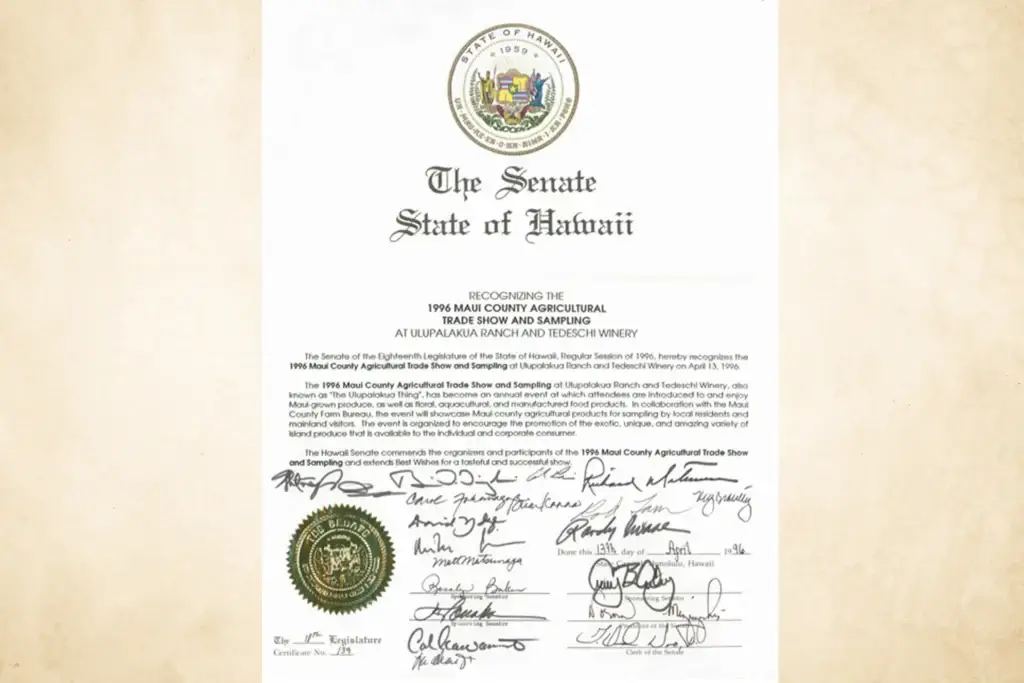
The Ulupalakua Thing
What quickly became the premier agriculture event in Hawaii began in 1995, and was simply called “The Ulupalakua Thing.” Its purpose was to celebrate Maui’s agricultural community and to facilitate partnerships between local farmers and our island’s many talented chefs, which has a large focus today in the farm-to-table movement. The event became enormously popular and outgrew the winery grounds and the small town of Ulupalakua. The final event was held in 2006.
1996
King's Cottage
In line with the estate’s history with the Makee Family and their celebrated Rose Ranch, the tasting room was moved to the historic King’s Cottage in 1996, and the winery grounds expanded to include more production areas. This former guesthouse for Hawaiian royalty offered more space for wine tastings while showcasing the rich heritage of this famous estate.
1997
Replanting
Beginning in 1997, and continuing on until 2011, we underwent a notable replanting of the vineyard beginning with Syrah and leading to Malbec, Grenache, Viognier, Gewürztraminer, and Chenin Blanc.
2000
Success in Syrah
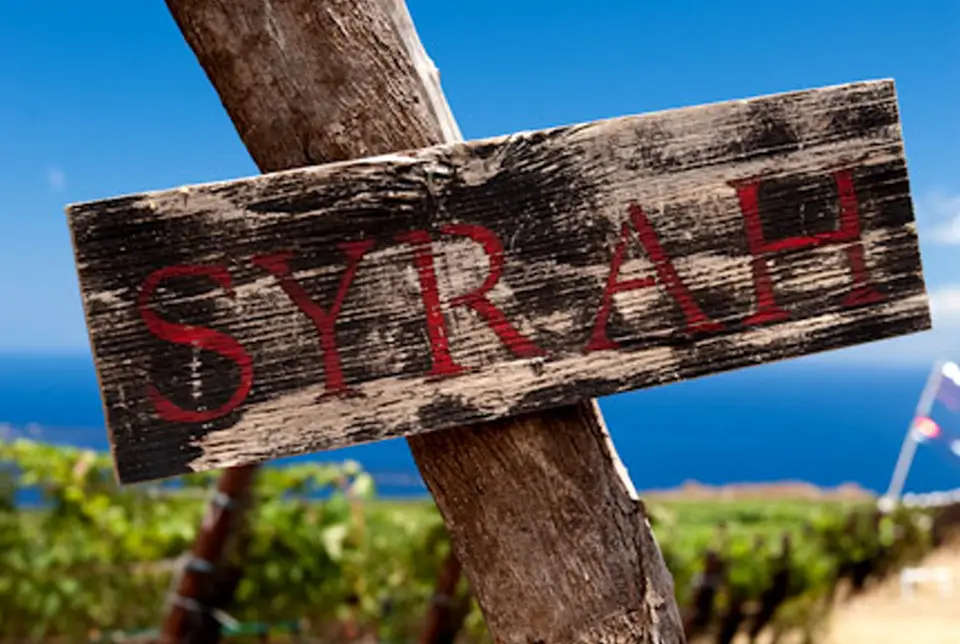
What has become our flagship grape – the Syrah – was planted between 2000 and 2001. Altogether six acres of Syrah were planted, four acres of clone 877, and two acres of Syrah Noir were planted on 101-14 rootstock.
There were numerous reasons to plant Syrah, but the greatest factor was its long growth cycle, which works well with our lack of a traditional dormancy and shortened “off-season” length.
Syrah also thrives in the Rhone Valley of France in a cooler climate, like ours. Success in this varietal paved the way for all the varietals planted after it and has shaped our efforts in viticultural practices.
2009
The Last of the Carnelian
The acreage of Carnelian slowly decreased over the years, and after 34 years the last crop of Maui Carnelian grapes was harvested in 2009. This unique grape hybrid, first developed in conjunction with the UC Davis Department of Viticulture and Enology by Dr. Olmo, had done very well, but after discovering much success with Rhone varietals in our soil and climate, it was time to move on. The last remaining Carnelian vines would be grafted over with Viognier the following year.
2010
Viognier & Malbec
In 2010, we planted an experimental half-acre of Viognier and Malbec. Our vineyard is an exploration. Thus, we are constantly seeking innovation and experimentation in our vineyard, utilizing techniques and practices used all around the world and some specific just to us.
There is no precedence and therefore no rules in such a unique vineyard environment as this. Unlike the rest of the vineyard planted with a north-south row orientation, this half-acre was planted with an east-west row orientation to experiment with sun exposure.
2011
Grenache & Gewürztraminer
Expanding our acreage even further, the Grenache and Gewürztraminer grape varieties were added to the vineyard in 2011 along with additional acreage of Malbec and Viognier, which had seen success over the last several years in the experimental block.
2011
Plantation Red Final Bottling
The last vintage of the Plantation Red label was produced in 2011. No other wines will be labeled with this name. The winery saw its first vintage of the intriguing Plantation Red label in 1994. Its design and name represented the agricultural history of the land in Ulupalakua and its years of sugarcane production prowess.
It also represented what we had accomplished in the vineyard over the last decade. The Plantation Red label would go on to represent a variety of estate grown wines for almost two decades.
2014
One Epic Harvest
In 2014, we reached maturity in the entire vineyard. The comprehensive replanting over the last decade had come to fruition. The 2014 harvest crowns 40 years of experimentation as well as trial and error with ultimate success.
With the development of our Ulupalakua Vineyards estate label made in anticipation for this moment, the 2014 harvest presented single varietals of Syrah, Malbec, Grenache, Grenache Rosé, Viognier, Chenin Blanc, and even an extended tirage Chenin Blanc sparkling wine.
We continue to aspire to new heights in fruit quality and to produce estate wines that reflect the uniqueness of this place, its historical innovation, the gifted hands that craft them, and their adventurous spirit.
2014
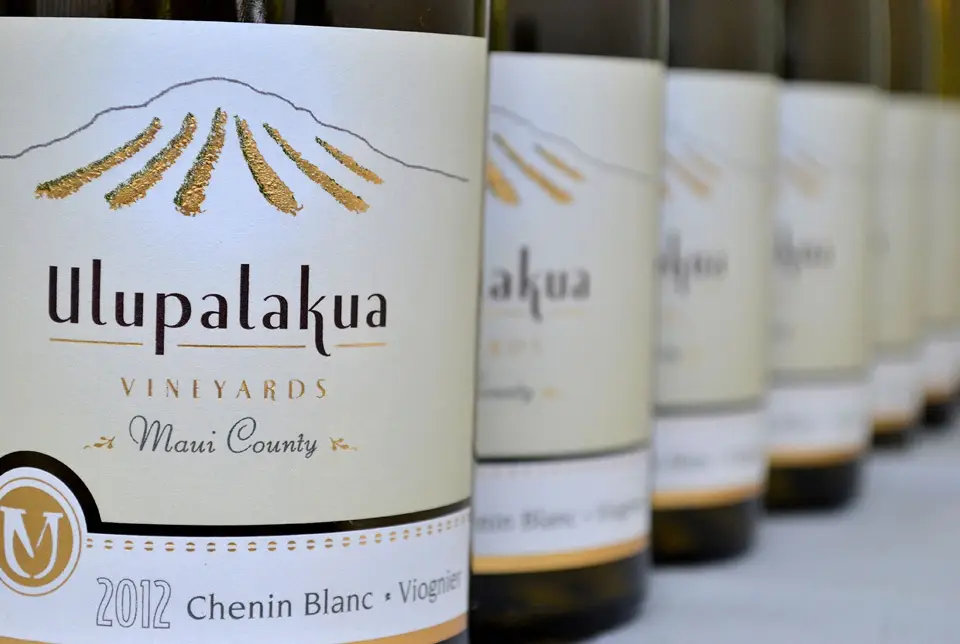
Ulupalakua Vineyards Estate Label Release
The first release of the Ulupalakua Vineyards estate label was by way of the 2012 Chenin-Viognier.
2015
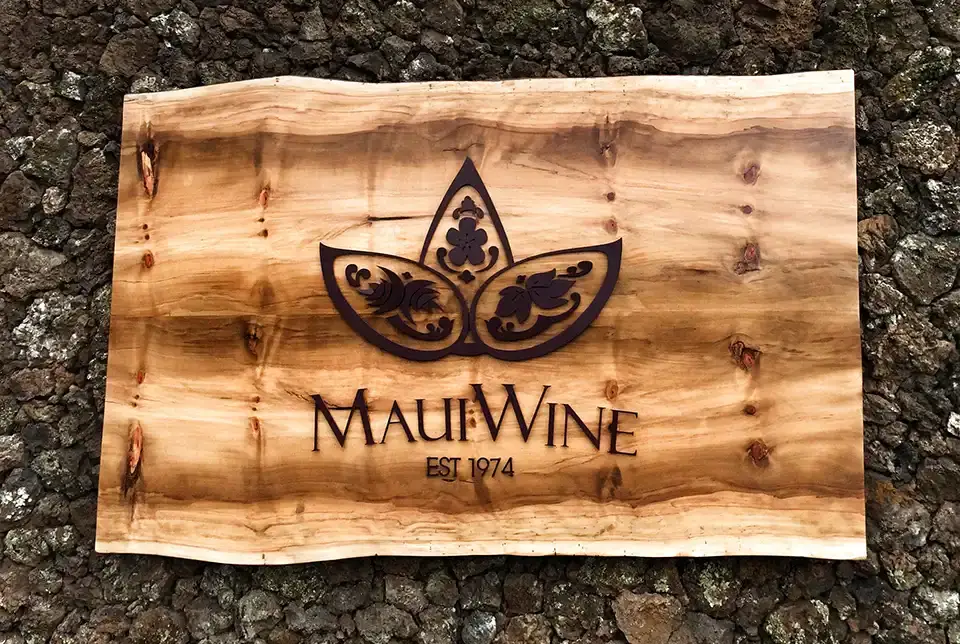
Rebranded to MauiWine
Tedeschi Vineyards announces the launch of its rebranding. Starting June 2015, the 41-year-old winery will be doing business as “MauiWine.” The proactive rebranding marks the future of MauiWine as it focuses on new product offerings and providing quality, intimate and customized experiences.